
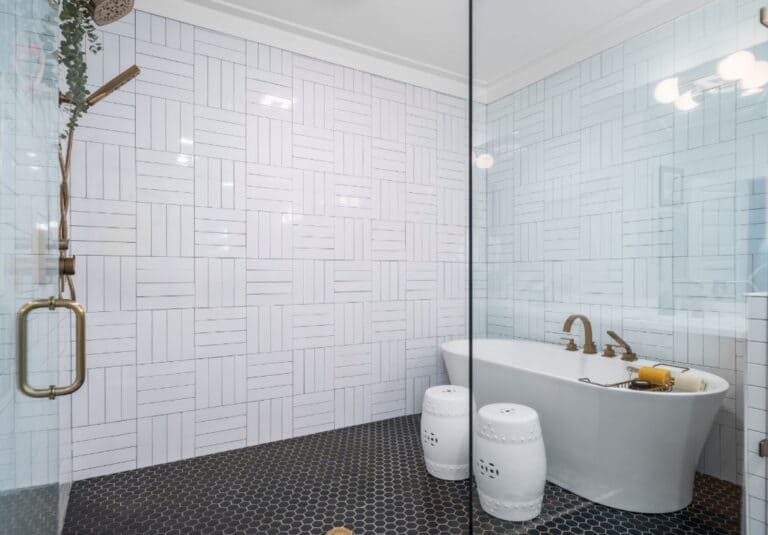
Choosing the perfect tile isn’t just about selecting a color, material, or size.
One of the most important design decisions happens after you’ve selected the tile itself: choosing the right layout pattern.
The same tile can create a completely different look depending on how it’s installed. Some patterns feel timeless and traditional, while others create movement, structure, and a more contemporary aesthetic. The right layout can make a room feel larger, taller, softer, or more dramatic.
As an interior designer, I often help clients navigate this exact decision, which is why I created a comprehensive Tile Pattern Guide to simplify the process.
I Created This Guide to Help Simplify Tile Selection
One of the most common challenges homeowners face during a renovation is visualizing how tile will actually look once installed.
Many people focus on the tile itself, but the layout pattern often has just as much impact on the finished design.
That’s why I created this complimentary guide to help homeowners understand the most popular tile patterns used in kitchens, bathrooms, showers, backsplashes, fireplaces, and feature walls.
Inside the guide, you’ll discover:
- Classic tile layouts that never go out of style
- Modern patterns that create a clean, architectural feel
- Decorative patterns that add movement and personality
- Specialty layouts for unique, custom designs
- Designer tips for grout selection and installation
Download the free Tile Pattern Guide and start planning your project with confidence.
Before Choosing a Tile Pattern
Every space is different, and the right pattern should complement both the architecture of the room and your overall design goals.
When selecting a tile pattern, consider:
- Room size and scale
- Tile size and shape
- Desired design style
- Grout color and spacing
- Directional flow within the space
- Installation complexity
One of my favorite designer reminders:
The same tile can look completely different depending on the layout pattern and grout selection. Always view tile and grout samples together before making a final decision.
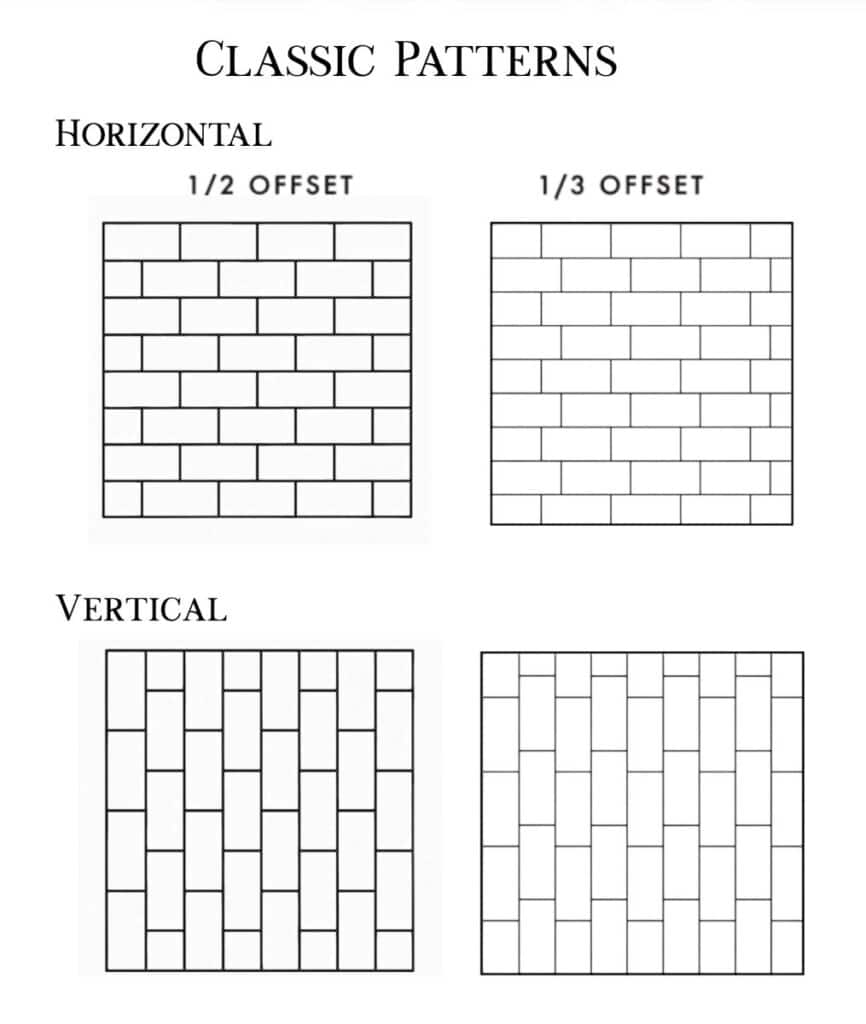
Classic Tile Patterns: Timeless and Versatile
Classic layouts remain popular because they work beautifully across traditional, transitional, and even modern interiors.
One of the greatest advantages of classic offset patterns is their versatility. The same layout can be installed horizontally for a traditional look or vertically for a fresh, updated feel.
1/2 Offset
The traditional subway tile pattern that has remained a favorite for decades. Its familiar running bond layout creates a timeless, balanced appearance.
1/3 Offset
A more modern variation of the classic running bond pattern that works especially well with larger format tile while helping reduce lippage.
Horizontal vs. Vertical Installation
Horizontal layouts:
- Feel traditional and timeless
- Can visually widen a space
- Work beautifully in kitchens and backsplashes
Vertical layouts:
- Feel fresh and modern
- Draw the eye upward
- Can make ceilings appear taller
Best Uses:
- Kitchen backsplashes
- Shower walls
- Laundry rooms
- Fireplace surrounds
Designer Tip:
Pair classic layouts with handmade or textured tile for a timeless, layered look.
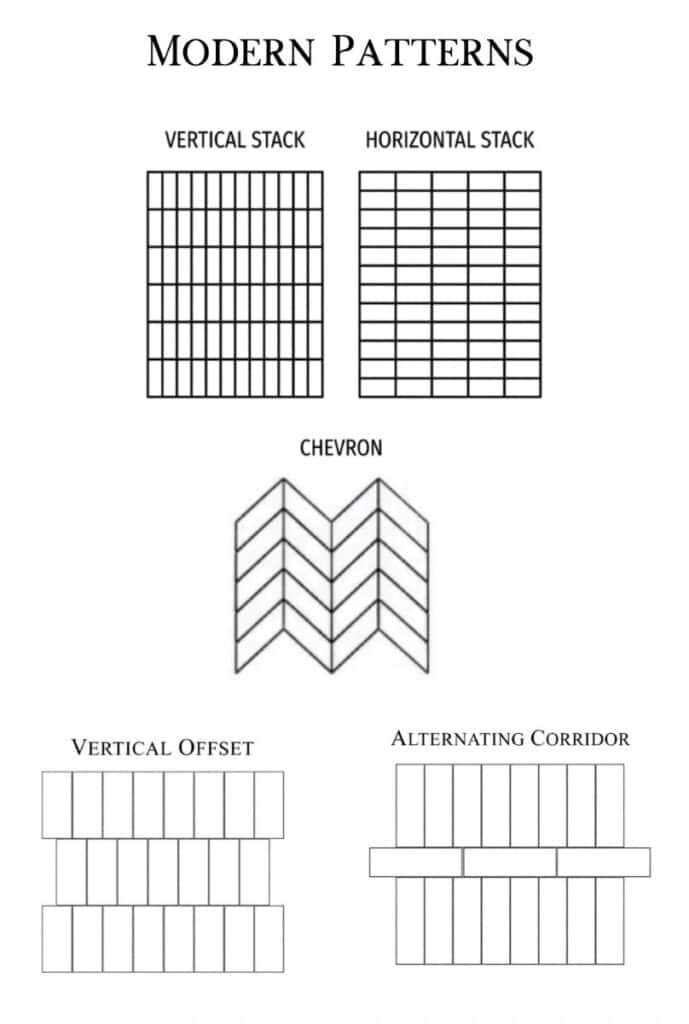
Modern Tile Patterns: Clean and Architectural
Modern layouts focus on structure, clean lines, and visual flow.
Vertical Stack
Minimal and contemporary with strong vertical lines.
Horizontal Stack
Creates a streamlined appearance ideal for modern and Scandinavian-inspired interiors.
Chevron
Bold, directional, and visually striking. Perfect for statement walls and feature areas.
Vertical Offset
A modern interpretation of the traditional offset pattern. Vertical planks are staggered from row to row, creating subtle movement while maintaining a clean and architectural aesthetic.
Alternating Corridor
A woven-inspired layout that combines vertical rows with a horizontal band running through the center. This pattern creates visual interest, movement, and a custom designer look while maintaining clean lines and symmetry.
Best Uses:
- Contemporary kitchens
- Modern bathrooms
- Accent walls
- Open-concept spaces
Designer Tip:
Using matching grout creates a softer, seamless look, while contrasting grout emphasizes the geometry of the pattern.
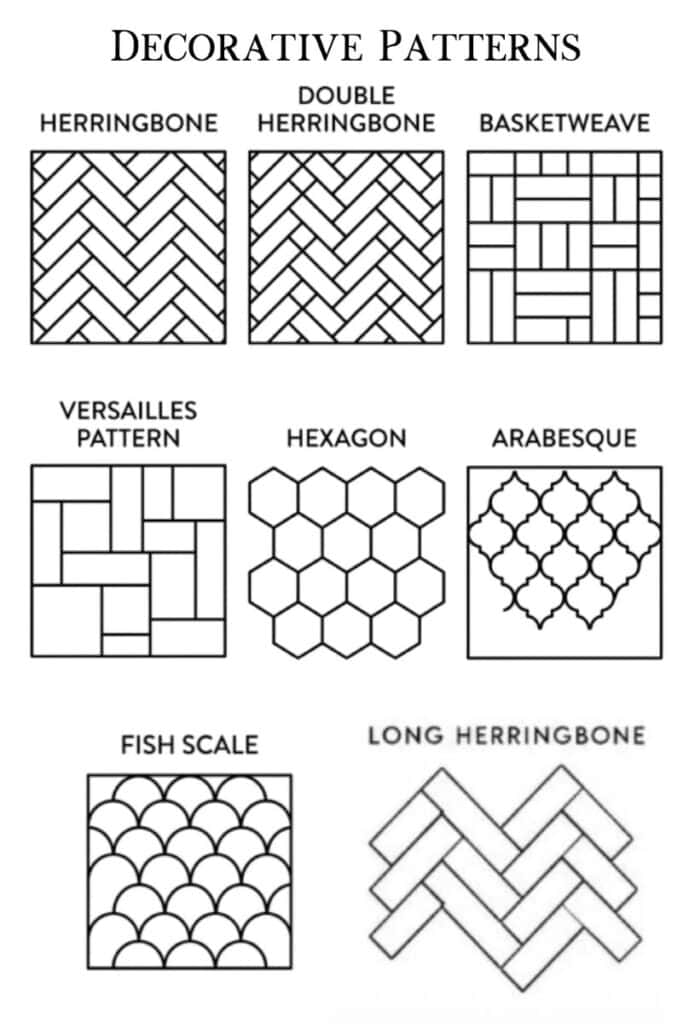
Decorative Tile Patterns: Adding Character and Movement
Decorative layouts add texture, personality, and visual interest while helping create focal points within a space.
Herringbone
Adds movement, elegance, and a custom feel to any room.
Double Herringbone
A more dramatic interpretation of the classic herringbone layout.
Basketweave
Traditional and detailed with vintage-inspired character.
Versailles Pattern
Elegant and old-world inspired, often used with natural stone installations.
Hexagon
A geometric classic that works beautifully on floors and accent areas.
Arabesque
Soft and decorative with a subtle Moroccan-inspired silhouette.
Fish Scale
Organic and spa-like with gentle movement and texture.
Long Herringbone
Elongates the space and creates dramatic visual flow.
Best Uses:
- Feature walls
- Powder bathrooms
- Shower niches
- Fireplace surrounds
- Statement floors
Designer Tip:
Decorative layouts are most impactful when balanced with simpler surrounding finishes.
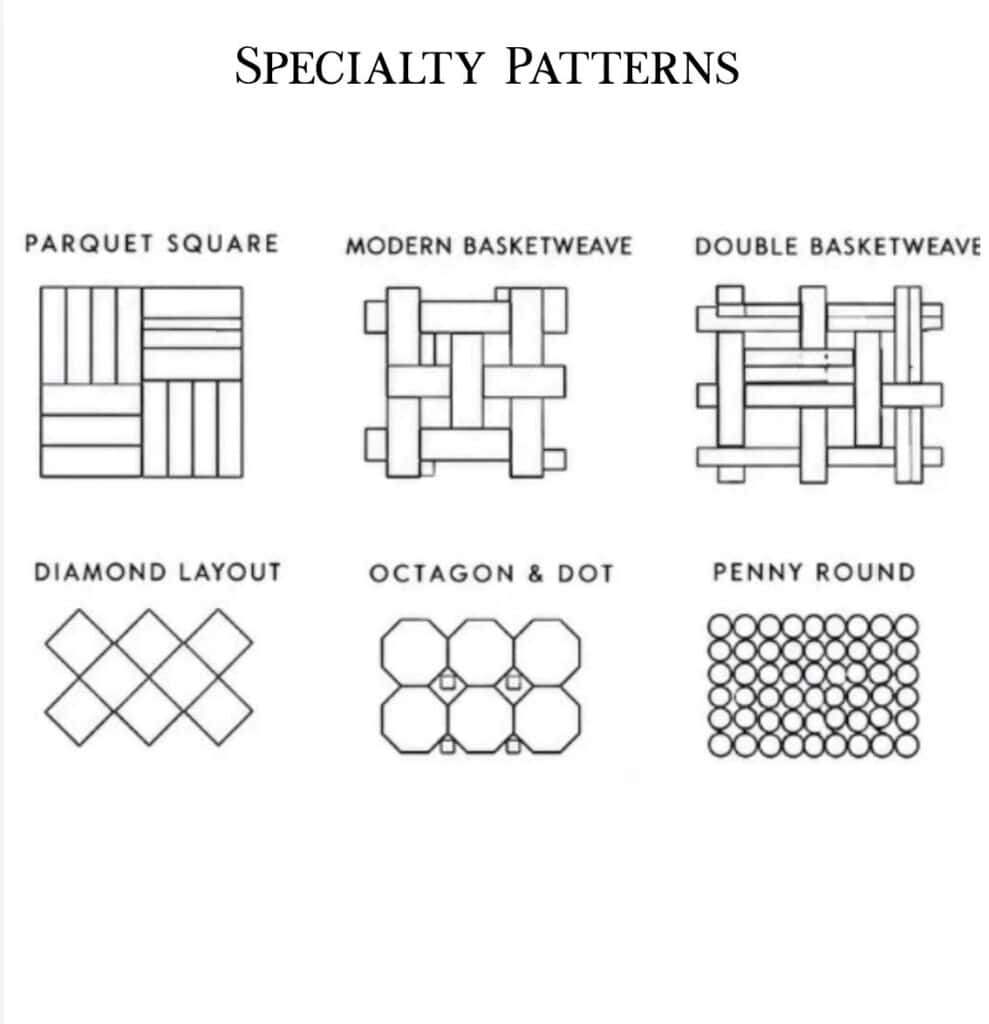
Specialty Tile Patterns: Elevated and Custom
Specialty patterns offer a more curated, custom appearance and can become defining features within a space.
Parquet Square
A structured geometric layout inspired by traditional wood parquet flooring.
Modern Basketweave
Architectural and layered with a contemporary edge.
Double Basketweave
Highly detailed and visually dynamic, making it ideal as a focal point.
Diamond Layout
Creates diagonal movement and can make smaller rooms feel larger.
Octagon & Dot
Classic and nostalgic with timeless appeal.
Penny Round
Vintage-inspired and playful, often used on shower floors and accent areas.
Designer Tip:
Specialty patterns often require additional planning, cuts, and installation time. Always confirm layout direction before installation begins.
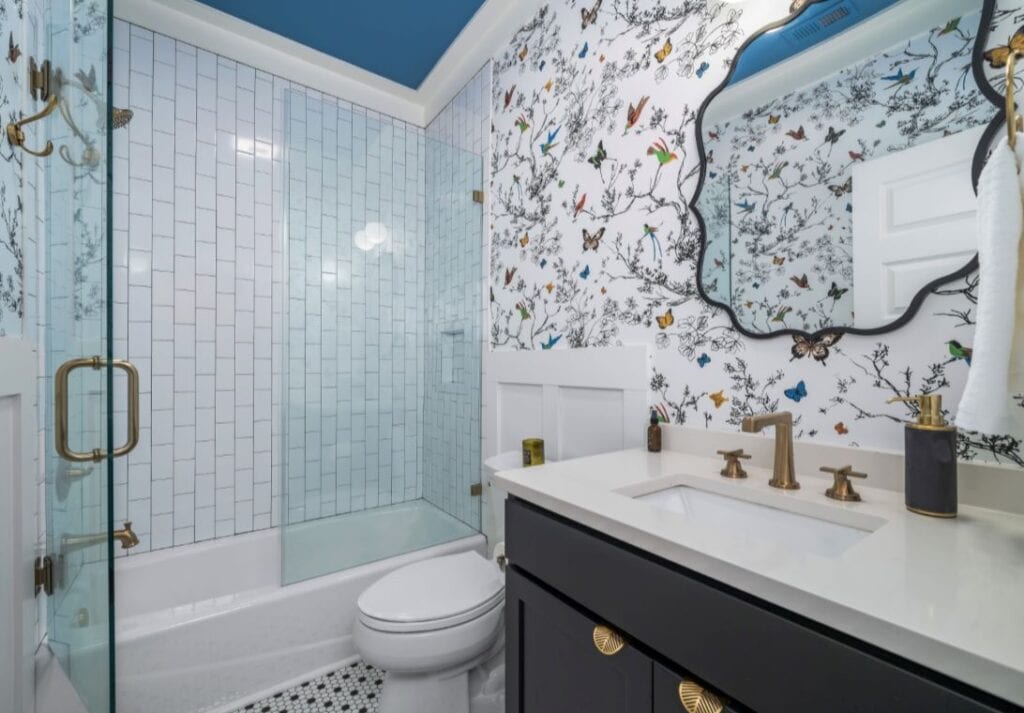
Final Design Considerations
Before finalizing your selections, remember:
- Tile size impacts how large or small a space feels.
- Grout color dramatically changes the appearance of a pattern.
- Directional layouts influence visual flow throughout a room.
- Simpler patterns tend to feel cleaner and more modern.
- Intricate patterns create movement and become focal points.
The best tile pattern isn’t necessarily the most complicated one—it’s the one that supports the overall vision for your space.
Ready to Choose the Perfect Tile Pattern?
Whether you’re planning a kitchen renovation, bathroom remodel, or new construction project, understanding tile layouts can help you make more confident design decisions.
Download my complimentary Tile Pattern Guide for inspiration, expert recommendations, and practical design tips.
Need help selecting finishes, materials, and layouts for your project? I’d love to help create a design plan that feels cohesive, functional, and uniquely yours.